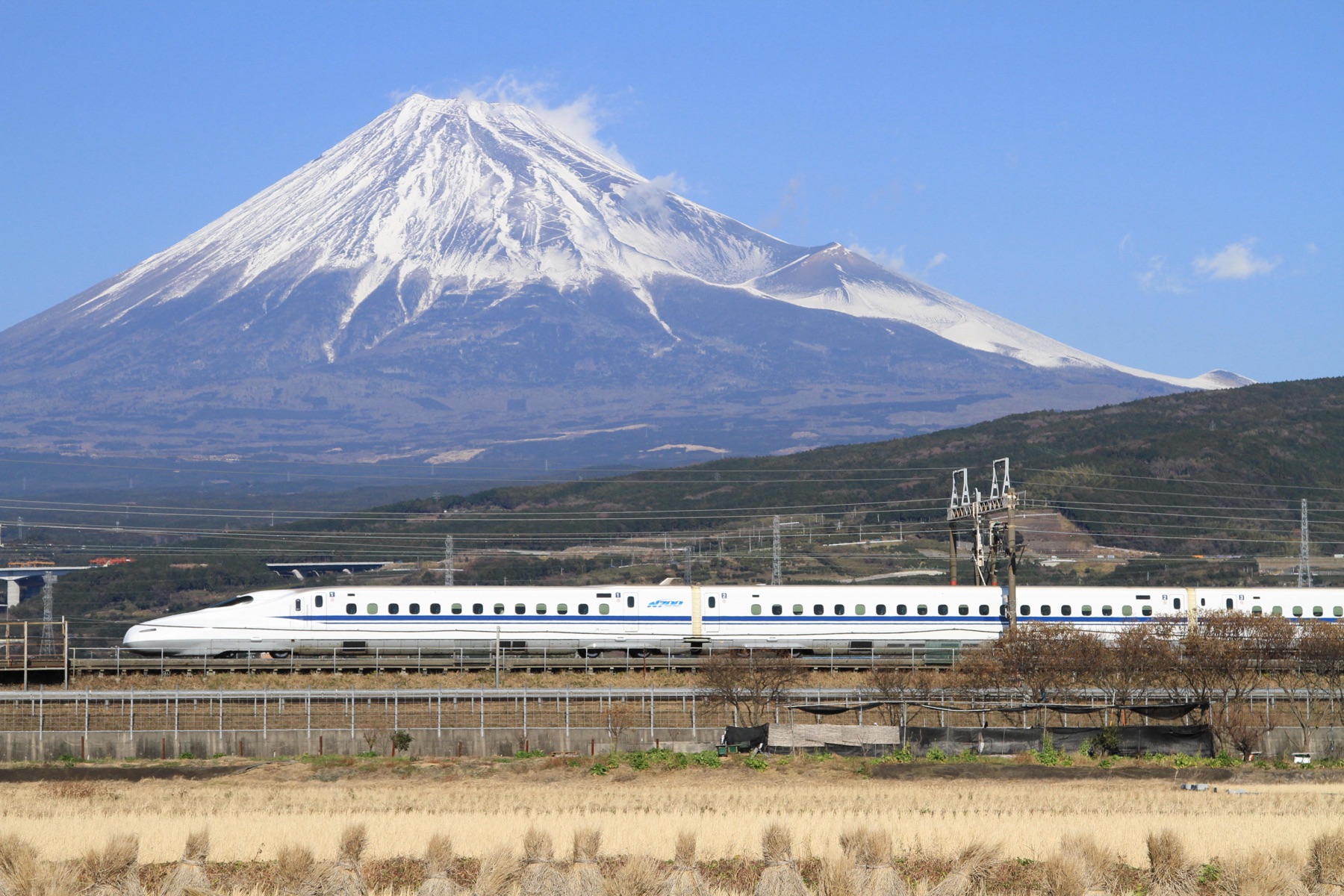
QUICK ANSWER
What matters first.
Write every long journey first, group them by JR operating region, then compare the pass price with the same individual tickets. Do not buy overlapping passes for flexibility you will not use.
- Write every long journey first, group them by JR operating region, then compare the pass price with the same individual tickets. Do not buy overlapping passes for flexibility you will not use.
EDITORIAL DECISION
The choice, before the detail.
Independent travellers comparing total time, cost and transfers rather than one headline fare.
You prefer a fully arranged route and do not want to compare operating conditions.
Recheck live schedules, luggage rules, licence requirements and the final dated price before travel.
Choose the right
regional rail pass

Compare today's rail fare and pass value before you overpay.
FROM US$16.89CHECK LIVE FARE · Compare current Japan regional rail passes with our travel partner ↗A regional pass is valuable only when its covered trains match a concentrated group of expensive journeys.
TL;DR: Write every long journey first, group them by JR operating region, then compare the pass price with the same individual tickets. Do not buy overlapping passes for flexibility you will not use.
01Start with geography
| Trip pattern | Pass family to investigate |
|---|---|
| Osaka, Kyoto and Hiroshima | JR West |
| Tokyo with Tohoku or Nagano | JR East |
| Sapporo and wider Hokkaido | JR Hokkaido |
| Fukuoka and Kyushu | JR Kyushu |
| Tokyo–Kanazawa–Kyoto | Hokuriku-focused options |
02The passes worth knowing by name
Most visitors only ever need one of these, and the right one is decided by geography rather than by which sounds like better value.
| Pass | Rough price | Covers | Best when |
|---|---|---|---|
| Kansai Area Pass | From about ¥2,800 (1 day) | Osaka, Kyoto, Nara, Kobe, Kansai Airport | A Kansai-only trip with the airport leg included |
| Kansai–Hiroshima Area Pass | About ¥17,000 (5 days) | Kansai plus Hiroshima and the Miyajima ferry | Osaka or Kyoto base with one Hiroshima run |
| Hokuriku Arch Pass | About ¥24,500 (7 days) | Tokyo–Kanazawa–Kyoto–Osaka, one way | A one-directional Tokyo to Kansai arc via Kanazawa |
| JR East passes | From about ¥18,000 | Tohoku or Nagano/Niigata from Tokyo | Tokyo base with northern day trips |
| JR Kyushu passes | From about ¥8,500 | Fukuoka, Nagasaki, Kumamoto, Kagoshima | A dedicated Kyushu leg |
Prices move, so treat these as scale rather than quotes. The pattern that matters: a regional pass typically costs a third to a half of the national JR Pass and covers the journeys most itineraries actually contain.
03Check the exclusions
Confirm validity dates, eligible visitors, seat-reservation rules, exchange requirements and which private railways are excluded. Airport trains and local city transport may not be covered even when the pass name sounds broad.
Three exclusions cause most of the disappointment. The Nozomi and Mizuho shinkansen are excluded from many passes, which costs you 20–30 minutes per leg. Private railways — Odakyu to Hakone, Tobu to Nikko, Kintetsu to Nara — are almost never included, so day trips you assumed were covered are not. And city subways are separate everywhere, so a pass does not replace an IC card.
04The honest calculation
Compare the same itinerary, travel class and reservation type. If the pass only breaks even after adding an optional journey, individual tickets usually preserve more flexibility.
Official starting point: Japan Rail Pass official site.
05FAQ
Are regional passes better than the nationwide JR Pass?
Often for a concentrated itinerary, but only route-by-route arithmetic can answer.
Do regional passes cover every train?
No. Coverage, train types and reservation rules differ by pass.