QUICK ANSWER
What matters first.
Arrive with or withdraw roughly ¥10,000–¥20,000 per adult, use a no-foreign-transaction-fee card for larger purchases, and keep ¥1,000 notes and coins for small operators. Seven Bank and Japan Post Bank ATMs are the most useful first stops for many overseas cards.
- Arrive with or withdraw roughly ¥10,000–¥20,000 per adult, use a no-foreign-transaction-fee card for larger purchases, and keep ¥1,000 notes and coins for small operators. Seven Bank and Japan Post Bank ATMs are the most useful first stops for many overseas cards.
- Compare Japan airport transfers
- Choose the right airport route for Tokyo
- Set up an IC card in Japan
EDITORIAL DECISION
The choice, before the detail.
First-time visitors who want a practical setup before arrival and fewer decisions on day one.
You already have a working Japan-specific setup and only need a live official rule.
Verify time-sensitive rules with the named operator or authority immediately before relying on them.
Yen, cash
and ATMs

Compare the real transfer total before late-night options tighten.
FROM US$59 / VEHICLECHECK TRANSFER PRICE · Compare current Tokyo airport-transfer prices ↗Japan is far more card-friendly than it used to be, but cash still solves the awkward moments: a temple box, a rural bus, a tiny restaurant or an older ticket machine. The best setup is not “cash or card.” It is a modest yen reserve, one reliable card and a backup.
TL;DR: Arrive with or withdraw roughly ¥10,000–¥20,000 per adult, use a no-foreign-transaction-fee card for larger purchases, and keep ¥1,000 notes and coins for small operators. Seven Bank and Japan Post Bank ATMs are the most useful first stops for many overseas cards.
01The short answer: how much yen do you actually need?
Most first-time visitors do not need a huge cash stash. They need enough yen to cover the first arrival, a few small operators and one backup plan if a card or mobile wallet misbehaves.
- Practical starting cash
- ¥10,000
- Why
- Covers trains, food and one cash-only stop
- Practical starting cash
- ¥20,000 total
- Why
- Enough flexibility without carrying too much
- Practical starting cash
- ¥15,000–¥20,000 per adult
- Why
- More small operators still prefer cash
- Practical starting cash
- ¥10,000 plus a working card
- Why
- Lets you handle transport and convenience-store basics fast
| Traveler type | Practical starting cash | Why |
|---|---|---|
| Solo city traveler | ¥10,000 | Covers trains, food and one cash-only stop |
| Couple in major cities | ¥20,000 total | Enough flexibility without carrying too much |
| Rural or ryokan-heavy trip | ¥15,000–¥20,000 per adult | More small operators still prefer cash |
| Late-arrival first night | ¥10,000 plus a working card | Lets you handle transport and convenience-store basics fast |
02Know the notes and coins
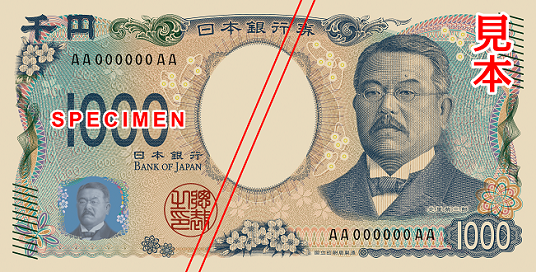
The currency code is JPY and the symbol is ¥. Notes commonly seen are ¥1,000, ¥5,000 and ¥10,000; ¥2,000 notes exist but are uncommon. Coins are ¥1, ¥5, ¥10, ¥50, ¥100 and ¥500.
Do not worry about paying for a small purchase with a ¥10,000 note at a staffed shop. It is ordinary in Japan. A small coin purse is genuinely useful: coins accumulate quickly, and ¥500 coins are worth enough not to lose at the bottom of a bag.
03How much cash should you carry?
For a city day, ¥10,000 per adult is a comfortable emergency reserve rather than a spending target. Carry more before a rural stay, festival, mountain route or cash-only ryokan. Split the reserve between two places and avoid keeping every card in the same wallet.
- Good payment default
- Credit card
- Cash backup
- ¥5,000
- Good payment default
- Card + IC card
- Cash backup
- ¥10,000
- Good payment default
- Cash first
- Cash backup
- ¥15,000–¥20,000
- Good payment default
- Cash
- Cash backup
- Small notes and coins
| Situation | Good payment default | Cash backup |
|---|---|---|
| Major hotel or department store | Credit card | ¥5,000 |
| City sightseeing day | Card + IC card | ¥10,000 |
| Rural day trip | Cash first | ¥15,000–¥20,000 |
| Temple, market or small bar | Cash | Small notes and coins |
04Where to withdraw yen
Seven Bank ATMs inside many 7-Eleven stores and Japan Post Bank ATMs are reliable starting points for international cards. Airport ATMs are useful when you land, but you do not need to exchange your full trip budget at the airport.
- Choose English and select “withdrawal”.
- If asked about conversion, choose to be charged in Japanese yen, not your home currency.
- Withdraw enough to make your bank’s fixed fee worthwhile, without carrying your whole budget.
- Keep the receipt until the transaction appears correctly in your banking app.
Your home bank, the ATM operator or both may charge fees. Daily limits can also come from your own bank. Tell your bank about the trip if it still requires travel notices, and know the PIN before departure.
05Exchange desk or ATM?
An ATM is usually simpler, while a cash exchange desk is useful if your card fails or you arrive with foreign cash. Compare the final yen received, not a “zero commission” sign. Hotel desks are convenient but may offer a weaker rate.
Avoid dynamic currency conversion at ATMs and card terminals. When a screen offers a guaranteed total in dollars, pounds or euros, decline that conversion and pay in yen; your own card network will then handle the exchange.
06Best next booking
Once your money setup is clear, the next useful step is protecting the first day: transport, IC card setup and one working data option.
07Cards, contactless and cash-only surprises
Visa and Mastercard are widely accepted in cities; American Express and JCB acceptance is also strong at larger businesses. Contactless cards work at many chain stores, but a terminal may still require chip-and-PIN. Foreign mobile wallets can be inconsistent, so carry the physical card.
Cash remains useful at some independent restaurants, clinics, temples, coin lockers and local buses. Look for card logos at the entrance and ask before ordering if you are unsure.
08A simple arrival plan
Withdraw ¥10,000–¥20,000 after immigration, buy or set up an IC transport card, and break one ¥1,000 note at a convenience store. Keep one backup card separate. That covers the airport-to-hotel journey and the first evening without overthinking exchange rates.
If you land late or with heavy luggage, sort the transport plan before you leave the airport ATM area. Comparing the final airport-transfer total in advance can save an expensive taxi decision at the curb.
09FAQ
Can I travel in Japan without cash?
You can manage many city days cashlessly, but a small yen reserve is still the safest choice for rural transport, temples and independent businesses.
Should I buy yen before flying?
It is optional. Bringing enough for arrival is reassuring, but major-airport ATMs make it easy to withdraw after landing.
What should I choose when an ATM offers home-currency conversion?
Choose Japanese yen and decline the ATM’s conversion so your card network handles the exchange.