QUICK ANSWER
What matters first.
Choose Asakusa for slower mornings, better-value rooms and a more traditional east-Tokyo feel. Choose Shinjuku for broader train access, easier day trips and fewer compromises when the trip moves in many directions.
- Choose Asakusa for slower mornings, better-value rooms and a more traditional east-Tokyo feel. Choose Shinjuku for broader train access, easier day trips and fewer compromises when the trip moves in many directions.
- Choose the right side of Shinjuku
- Choose your Tokyo base
- Tokyo Station or Shinjuku?
EDITORIAL DECISION
The choice, before the detail.
Travellers choosing a base around the journeys they will repeat most often.
You care more about the cheapest room than station access, room layout or cancellation flexibility.
Check the exact map pin, nearest station exit, complete taxes and cancellation deadline before payment.
Asakusa
or Shinjuku
Compare the live room total before the best rates disappear.
SEE CURRENT RATESCHECK HOTEL PRICE · Browse Tokyo hotels with our travel partner ↗This is a trade-off between atmosphere and transport power. The better base depends on whether your Tokyo trip is built around calm mornings and local character or around faster movement across the city.
TL;DR: Choose Asakusa for slower mornings, better-value rooms and a more traditional east-Tokyo feel. Choose Shinjuku for broader train access, easier day trips and fewer compromises when the trip moves in many directions.
01Asakusa or Shinjuku: which should you book?
- Usually best for
- Value, atmosphere and calmer evenings
- Main trade-off
- Weaker for cross-city movement and some day trips
- Usually best for
- Rail flexibility, airport access and bigger hotel range
- Main trade-off
- More noise and a more complex station environment
| Area | Usually best for | Main trade-off |
|---|---|---|
| Asakusa | Value, atmosphere and calmer evenings | Weaker for cross-city movement and some day trips |
| Shinjuku | Rail flexibility, airport access and bigger hotel range | More noise and a more complex station environment |
02Is Asakusa a good area to stay in?
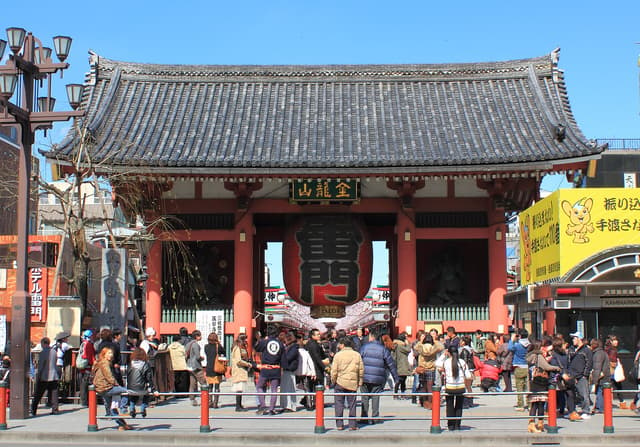
Asakusa wins when the trip is built around Senso-ji, Ueno, Tokyo Skytree, river walks and a slower first-time Tokyo rhythm. It can feel more memorable and less exhausting than a larger business-and-nightlife district.
03When is Shinjuku worth the extra cost?
Shinjuku is usually the stronger base when you need easier airport movement, JR coverage, private-rail options and repeated travel out to western Tokyo or day trips beyond the city. It is not just busier; it is more useful when the route is more demanding.
04Best next booking
Once the district is clear, narrow the exact station side and check whether another Tokyo base solves the broader route better.
05What should you check before booking?
For Asakusa, check the nearest station line and the exact airport route. For Shinjuku, check the hotel’s walking route from the station exit you will actually use. In both districts, room size and cancellation terms often matter more than the headline nightly rate.
06FAQ
Is Asakusa good for first-time visitors?
Yes, especially for travellers who want value, atmosphere and a calmer start to Tokyo.
Is Shinjuku more convenient than Asakusa?
Usually yes for citywide movement, airport trains and day trips. That convenience is why many first-time visitors still end up there.
Which area is better for families?
Asakusa often feels easier for families who prefer quieter evenings. Shinjuku can still work well when transport flexibility matters more.