QUICK ANSWER
What matters first.
Book a ryokan for one intentional night when meals, bathing and atmosphere are the point. Stay in a practical hotel for the rest when the trip is built around day trips, early starts and flexible dinners.
- Book a ryokan for one intentional night when meals, bathing and atmosphere are the point. Stay in a practical hotel for the rest when the trip is built around day trips, early starts and flexible dinners.
- Kyoto ryokan or hotel?
- Kyoto hotels by budget
EDITORIAL DECISION
The choice, before the detail.
Travellers choosing a base around the journeys they will repeat most often.
You care more about the cheapest room than station access, room layout or cancellation flexibility.
Check the exact map pin, nearest station exit, complete taxes and cancellation deadline before payment.

See the shape of the answer before the long read.
A ryokan is often most valuable as a deliberate part of the trip, not as the base for every logistical task.
FROM US$47 / NIGHTCompare Japan hotel and ryokan options on Klook ↗A ryokan is often most valuable as a deliberate part of the trip, not as the base for every logistical task.
TL;DR: Book a ryokan for one intentional night when meals, bathing and atmosphere are the point. Stay in a practical hotel for the rest when the trip is built around day trips, early starts and flexible dinners.
01Compare the two rhythms
- Usually better
- Ryokan
- Why
- Protects the experience and the meal timing
- Usually better
- Hotel
- Why
- Easier movement and late returns
- Usually better
- Hotel plus one ryokan night
- Why
- Strongest balance for many first visits
| Pattern | Usually better | Why |
|---|---|---|
| One special Kyoto night | Ryokan | Protects the experience and the meal timing |
| Several rail-heavy days | Hotel | Easier movement and late returns |
| Mixed trip | Hotel plus one ryokan night | Strongest balance for many first visits |
02Do not waste the ryokan value
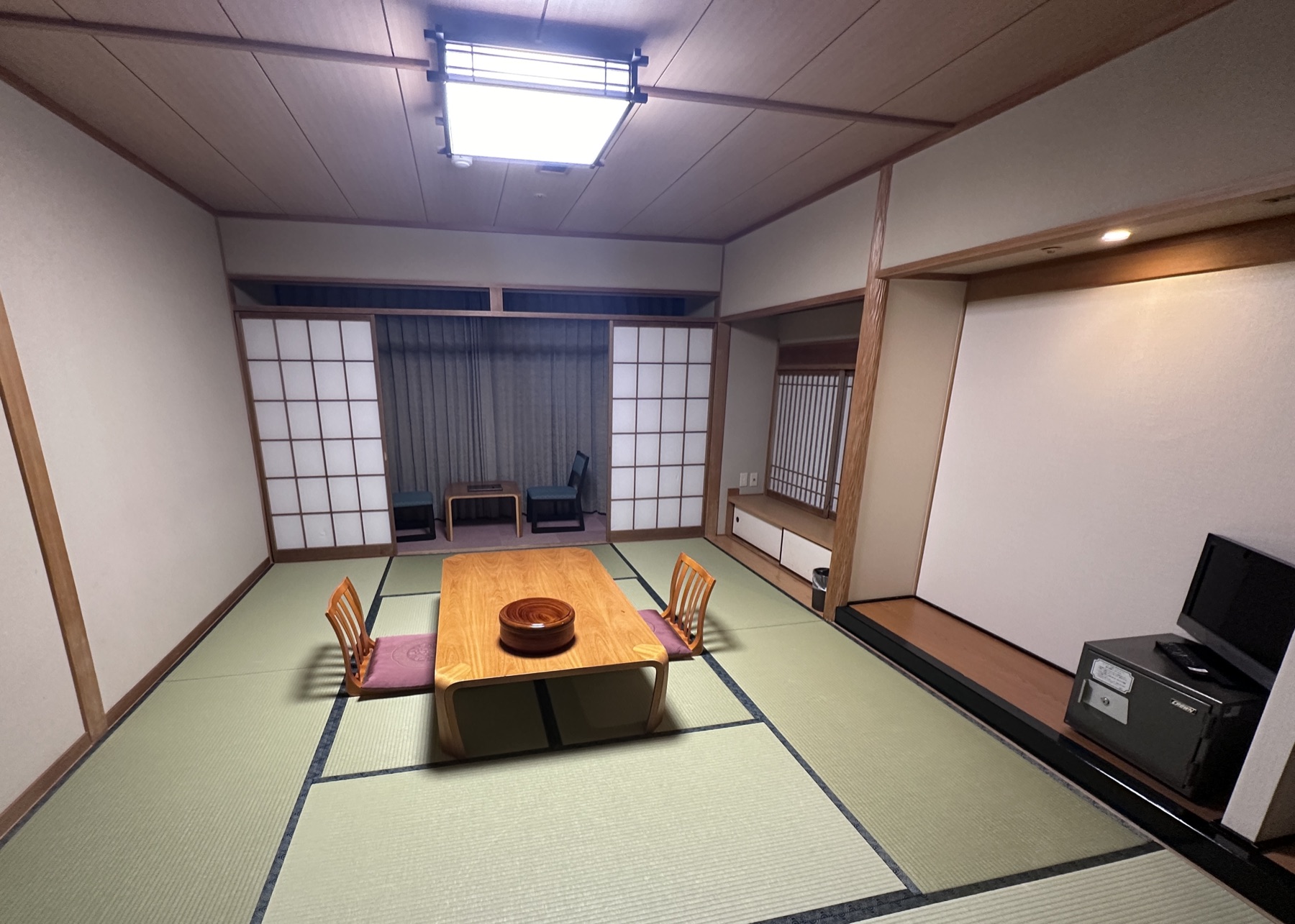
The point of a ryokan is not only tatami. It is the pace, the meal schedule, the bath and the service rhythm. If you return late and leave early, the hotel may be the better buy even when it looks less memorable.
03Best next booking
Official context: JNTO accommodation guide.
04FAQ
Is one ryokan night enough in Kyoto?
Often yes. One well-timed night captures the experience without forcing the whole trip into ryokan timing.
Should I stay only in a ryokan in Kyoto?
Only if the trip is intentionally slow and not built around repeated early departures.