QUICK ANSWER
What matters first.
Japan's snow is on the Sea of Japan side, not in the cities most visitors book. Hokkaido and the northern mountains hold reliable snow from late December to March. Tokyo, Kyoto and Osaka spend most of the winter cold, dry and sunny, with only a handful of snowy days a year. If seeing snow matters, plan a side trip to the north or the mountains rather than hoping the city delivers it.
- Japan's snow is on the Sea of Japan side, not in the cities most visitors book. Hokkaido and the northern mountains hold reliable snow from late December to March. Tokyo, Kyoto and Osaka spend most of the winter cold, dry and sunny, with only a handful of snowy days a year. If seeing snow matters, plan a side trip to the north or the mountains rather than hoping the city delivers it.
- **Sapporo Snow Festival**, early February — large snow and ice sculptures across the city.
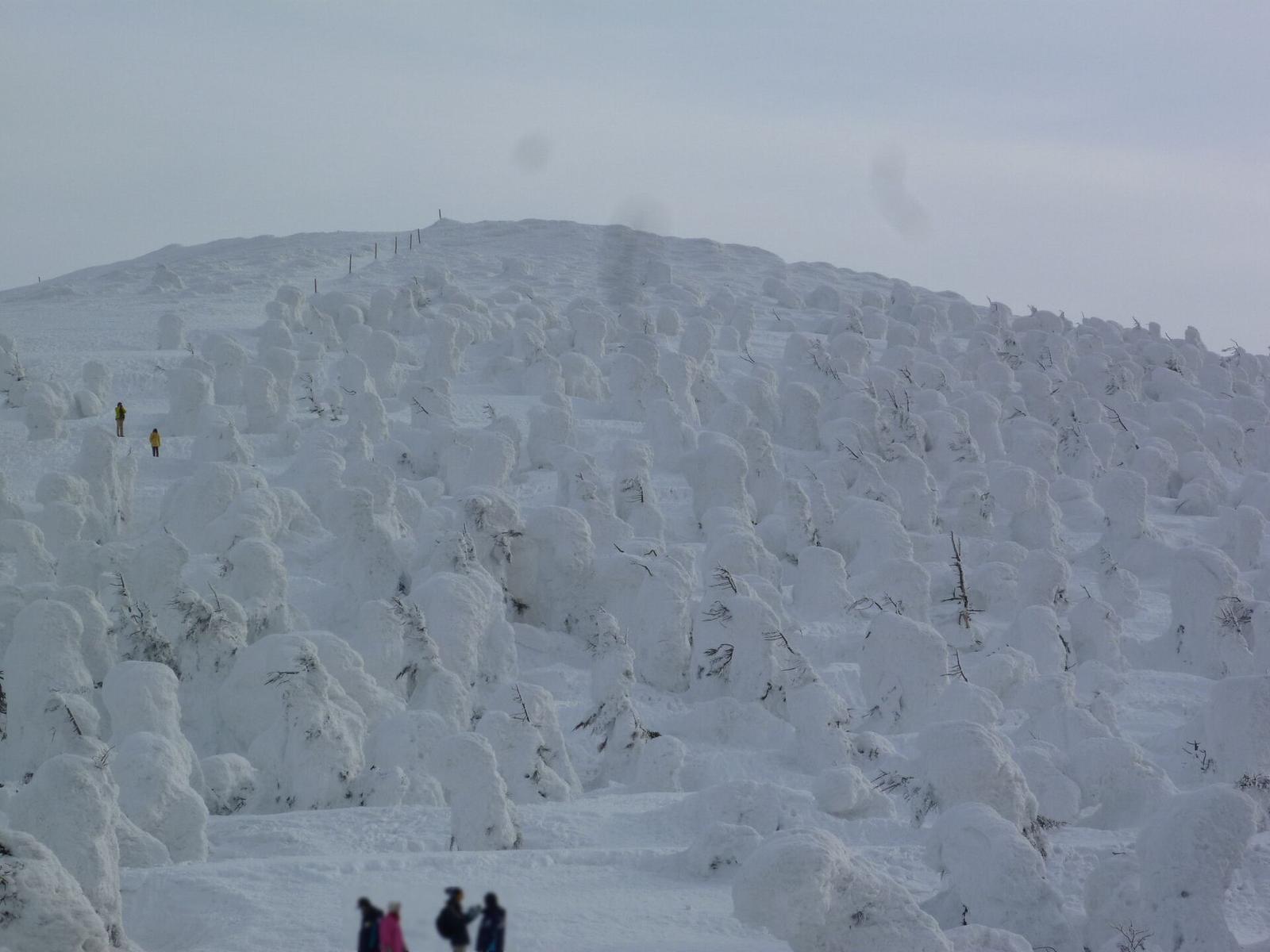
- **Frost-covered trees (*juhyo*)** at Zao in Yamagata, roughly late January to late February, when snow and wind freeze onto the trees.
- **Illuminations**, from November through February in every major city — the longest-running of Japan's winter fixtures and the easiest to fit into a normal itinerary.
EDITORIAL DECISION
The choice, before the detail.
Travellers planning around a seasonal window while keeping dates and destinations flexible.
Your itinerary depends on one exact forecast date many months ahead.
Treat forecast dates as ranges and recheck official updates close to departure.
Where Japan's snow
actually is
*Reviewed 19 August 2026 · Snowfall varies year to year and forecasts change. Check conditions close to your dates. Some links are affiliate links; recommendations are chosen for relevance, not commission.*
Compare the live room total before the best rates disappear.
CHECK LIVE PRICECHECK HOTEL PRICE · Compare winter hotel rates across Japan ↗Reviewed 19 August 2026 · Snowfall varies year to year and forecasts change. Check conditions close to your dates. Some links are affiliate links; recommendations are chosen for relevance, not commission.
TL;DR — Japan's snow is on the Sea of Japan side, not in the cities most visitors book. Hokkaido and the northern mountains hold reliable snow from late December to March. Tokyo, Kyoto and Osaka spend most of the winter cold, dry and sunny, with only a handful of snowy days a year. If seeing snow matters, plan a side trip to the north or the mountains rather than hoping the city delivers it.
01When does it snow in Japan?
Snow arrives north to south and high to low, and it lingers far longer than most visitors expect — the season is nearly four months in the north and a few scattered days in the south.
| Region / City | Reliable snow | Notes |
|---|---|---|
| Niseko, Hokkaido | Late November–early April | The longest, driest powder season |
| Sapporo | Early December–late March | Snow lies in the city all winter |
| Aomori / Northern Tohoku | Late December–March | Among the snowiest inhabited places on earth |
| Nagano, Hakuba, Shiga Kogen | Mid December–early April | Alpine snow within reach of Tokyo |
| Kanazawa / Hokuriku | Late December–February | Heavy, wet snow; melts and returns |
| Nikko (higher areas) | January–February | Day-trip distance from Tokyo |
| Tokyo | A few days, late January–February | Settling snow is rare, roughly once or twice a year |
| Kyoto | A few days, January–February | A snow-covered temple is luck, not a plan |
| Osaka / Hiroshima | Rare | Flurries at most |
| Okinawa | Never | Winter lows sit around 15–18°C |
02Why the snow falls on one side of the country
This is the single fact that makes Japanese winter make sense. Cold air moves in from the continent, crosses the Sea of Japan, picks up moisture, then hits the mountain spine running down the middle of the country. It drops that moisture as snow on the western side and arrives on the Pacific side dry.
The practical result: on the same January day, Kanazawa can be under heavy snow while Tokyo is sunny, cold and completely clear. The two are three hours apart. Nothing about a Tokyo forecast tells you what the north is doing.
That is also why a Tokyo-based winter trip feels so dry. Winter is Japan's sunniest season on the Pacific coast — good for Mt Fuji views and cold-weather walking, bad for anyone who came for snow.
03Will you see snow in Tokyo or Kyoto?
Probably not, and it is better to plan for that than to hope.
Tokyo gets a few snowy days a year, usually in late January or February, and settling snow happens perhaps once or twice a winter. When it does, the city slows down sharply — trains delay and stations get crowded — so treat it as an event to be flexible around rather than a highlight.
Kyoto is similar. Photographs of a snow-covered Kinkaku-ji circulate every year, and they are real, but they represent a handful of mornings out of the whole season. Basing a trip on that image usually ends in disappointment.
If snow is the point of the trip, spend at least two nights somewhere it falls reliably. A day trip north and back rarely works, because the weather does not cooperate on schedule.
04Where to go, by what you actually want
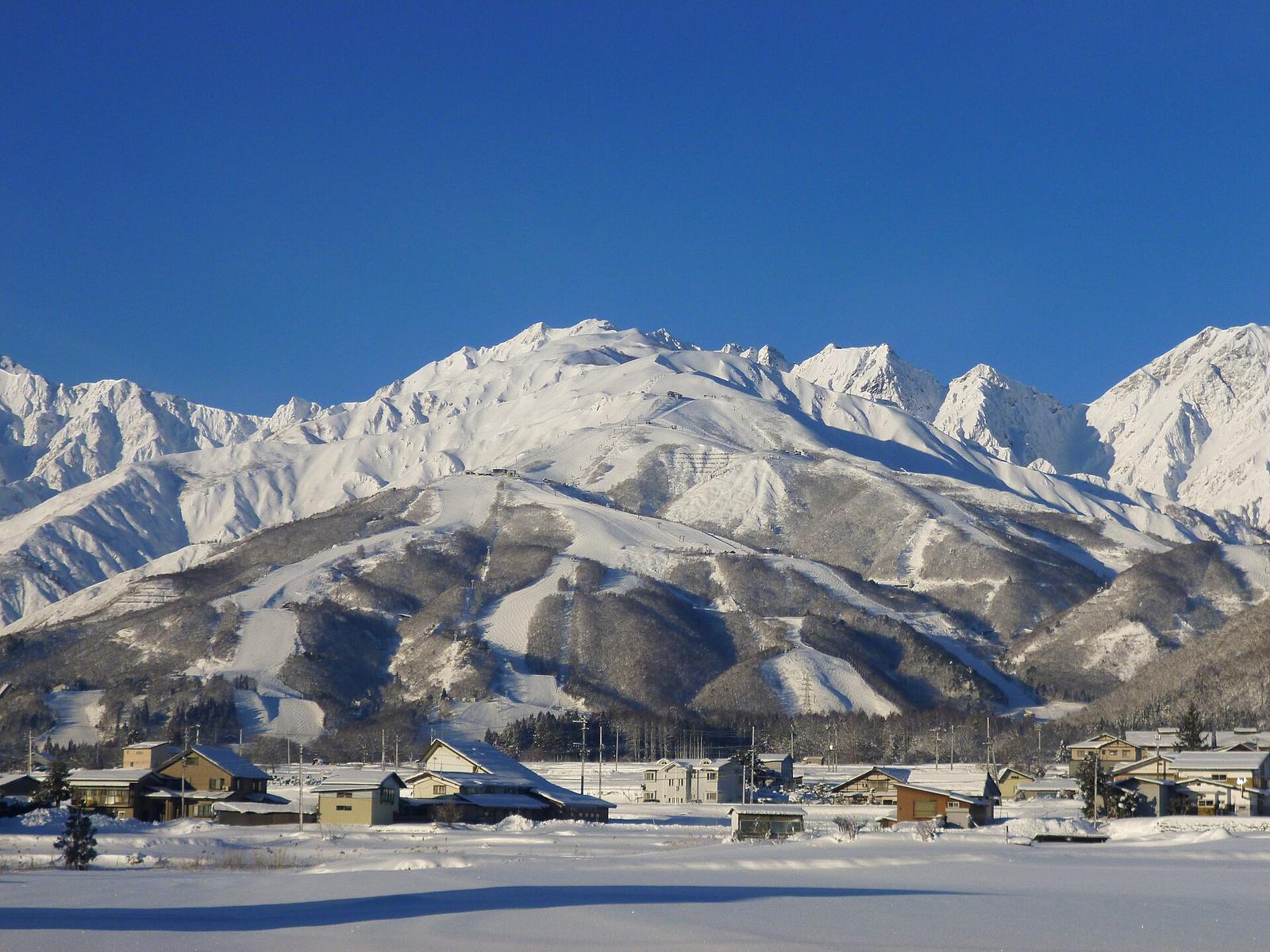
Powder snow and skiing. Niseko has the deepest and most consistent snow, plus the most English-language infrastructure. Hakuba and Shiga Kogen in Nagano offer similar quality with a much shorter journey from Tokyo, which matters on a shorter trip. Getting there is straightforward by train and bus; driving is a different decision — see renting a car in Hokkaido before committing to one in winter.
Snow without skiing. Sapporo works well: the snow is in the city itself, so you can walk in it without a lift pass. The Snow Festival in early February fills the city with large-scale ice sculptures. If a resort base appeals more, Tomamu or a Sapporo base compares the two.
Snow and a hot spring. This is the strongest winter combination in Japan, and it does not require going far north. Outdoor baths in the mountains run all winter, and sitting in one while it snows is the thing people remember. Hakone as a day trip or overnight is the easiest version from Tokyo.
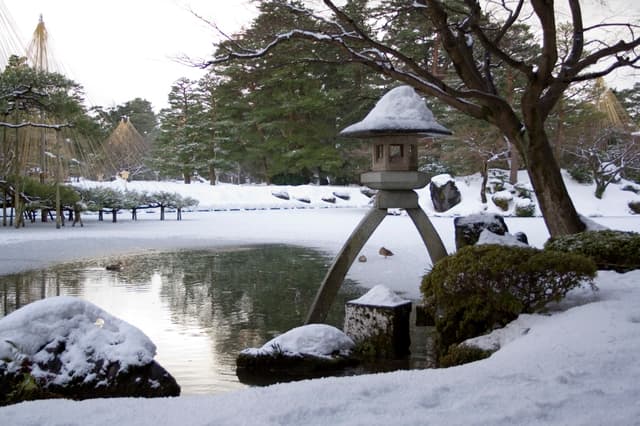
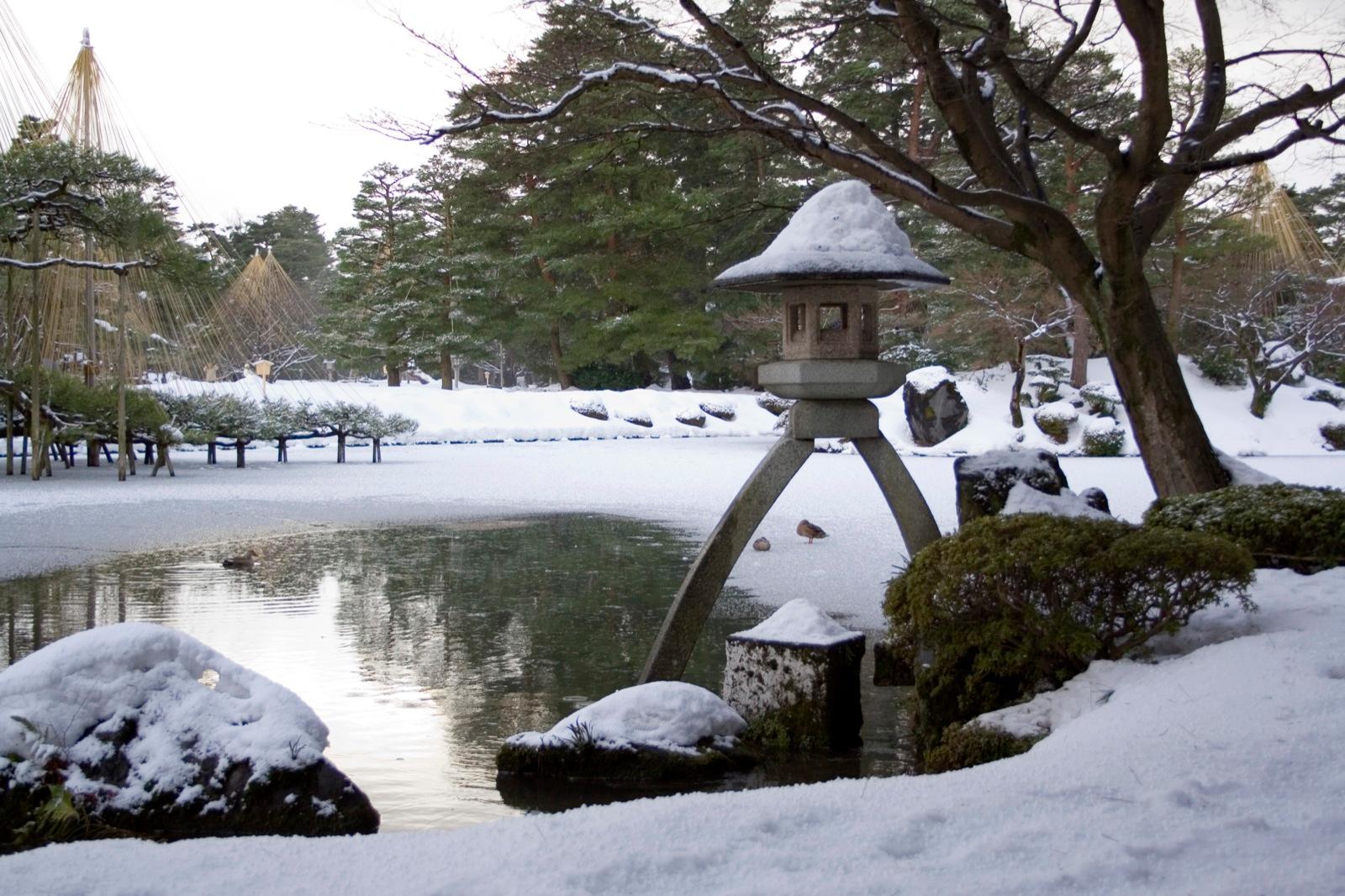
Snow and traditional streets. Kanazawa is the quiet answer. Kenrokuen garden under snow, with its rope-cone yukitsuri supports protecting the pines, is one of the defining winter images of Japan — and the city is two and a half hours from Tokyo by shinkansen.
05What winter opens up that no other season does
- Sapporo Snow Festival, early February — large snow and ice sculptures across the city.
- Frost-covered trees (juhyo)* at Zao in Yamagata, roughly late January to late February, when snow and wind freeze onto the trees.
- Illuminations, from November through February in every major city — the longest-running of Japan's winter fixtures and the easiest to fit into a normal itinerary.
- Snow monkeys at Jigokudani near Nagano, which bathe in a hot spring through the coldest months.
- Fewer people. January and early February are among the quietest weeks of the year at major sights, New Year aside.
06The one week to avoid
New Year, roughly 29 December to 3 January. Domestic travel peaks, prices rise, and many restaurants and small businesses close for several days. Trains and flights book out well in advance. Temples and shrines are the exception and are genuinely worth seeing, but the rest of the country is running at reduced capacity. If your dates are flexible, mid-January onward is easier and cheaper in every respect.
07Getting around in winter
Shinkansen services are extremely reliable in snow and are the safest way to move in winter; the Joetsu and Hokuriku lines run straight into snow country by design. Delays happen occasionally on the Tokaido line around Sekigahara, but they are usually measured in tens of minutes.
Flights are the fragile link. Winter storms cancel flights into Hokkaido and northern airports, so avoid scheduling a same-day domestic flight connection to an international departure in January or February.
Driving needs real thought. Snow tyres are legally required in snow-covered conditions, rental cars in snow regions come fitted with them, and mountain roads may need chains. If you have never driven on snow, the trains and buses to the major resorts are frequent, cheap and stress-free — see Japan's regional rail passes if you are covering long distances.
08What to actually pack
Indoor heating is strong and often overwhelming, so layers you can strip off matter more than one heavy coat. The item most visitors underestimate is footwear: waterproof shoes with real grip, because compacted snow in cities turns to ice, and the pavements are not always cleared. Hand warmers (kairo) are sold in every convenience store and are the cheapest comfort you can buy.
09Japan snow season FAQ
When is the best time to see snow in Japan?
Late January to late February is the most reliable window nationwide. Hokkaido and the high resorts extend well past that in both directions.
Does it snow in Tokyo?
A few days each winter, usually in late January or February, and it rarely settles for long. Winter in Tokyo is mostly cold, dry and sunny.
Where is the most reliable snow in Japan?
Niseko in Hokkaido for depth and consistency, and northern Tohoku for sheer volume. Nagano offers the best balance of snow quality and access from Tokyo.
Is Japan worth visiting in winter?
Yes, and it is the quietest of the four seasons at major sights. Clear skies on the Pacific side also make it the best season for seeing Mt Fuji.
How cold does it actually get?
Tokyo sits around 2–10°C in January. Sapporo runs around −7 to 0°C. Okinawa stays near 15–18°C and never sees snow.