QUICK ANSWER
What matters first.
Nikko is Tokyo's best culture-and-nature day trip. Take the Tobu line from Asakusa (about 2 hours; limited express with a supplement is fastest) and spend the day among the UNESCO-listed Toshogu Shrine complex in its giant cedar forest. The ¥3,000 Nikko Pass World Heritage Area covers the round trip plus local buses. Add Lake Chuzenji and Kegon Falls only if you start early.
- Nikko is Tokyo's best culture-and-nature day trip. Take the Tobu line from Asakusa (about 2 hours; limited express with a supplement is fastest) and spend the day among the UNESCO-listed Toshogu Shrine complex in its giant cedar forest. The ¥3,000 Nikko Pass World Heritage Area covers the round trip plus local buses. Add Lake Chuzenji and Kegon Falls only if you start early.
EDITORIAL DECISION
The choice, before the detail.
Travellers who want one realistic day out with a clear route and an honest stopping point.
You want to cover every secondary sight or strongly dislike an early start.
Check the day’s first and last connections, weather and any reserved segment before leaving.
Nikko beyond the
gold leaf

Compare the live room total before the best rates disappear.
SEE CURRENT RATESCHECK HOTEL PRICE · Browse Nikko ryokan and hotels with our travel partner ↗Reviewed 23 July 2026 · Some links are affiliate links; recommendations are chosen for relevance, not commission.
TL;DR — Nikko is Tokyo's best culture-and-nature day trip. Take the Tobu line from Asakusa (about 2 hours; limited express with a supplement is fastest) and spend the day among the UNESCO-listed Toshogu Shrine complex in its giant cedar forest. The ¥3,000 Nikko Pass World Heritage Area covers the round trip plus local buses. Add Lake Chuzenji and Kegon Falls only if you start early.
01Is Nikko worth a day trip from Tokyo?
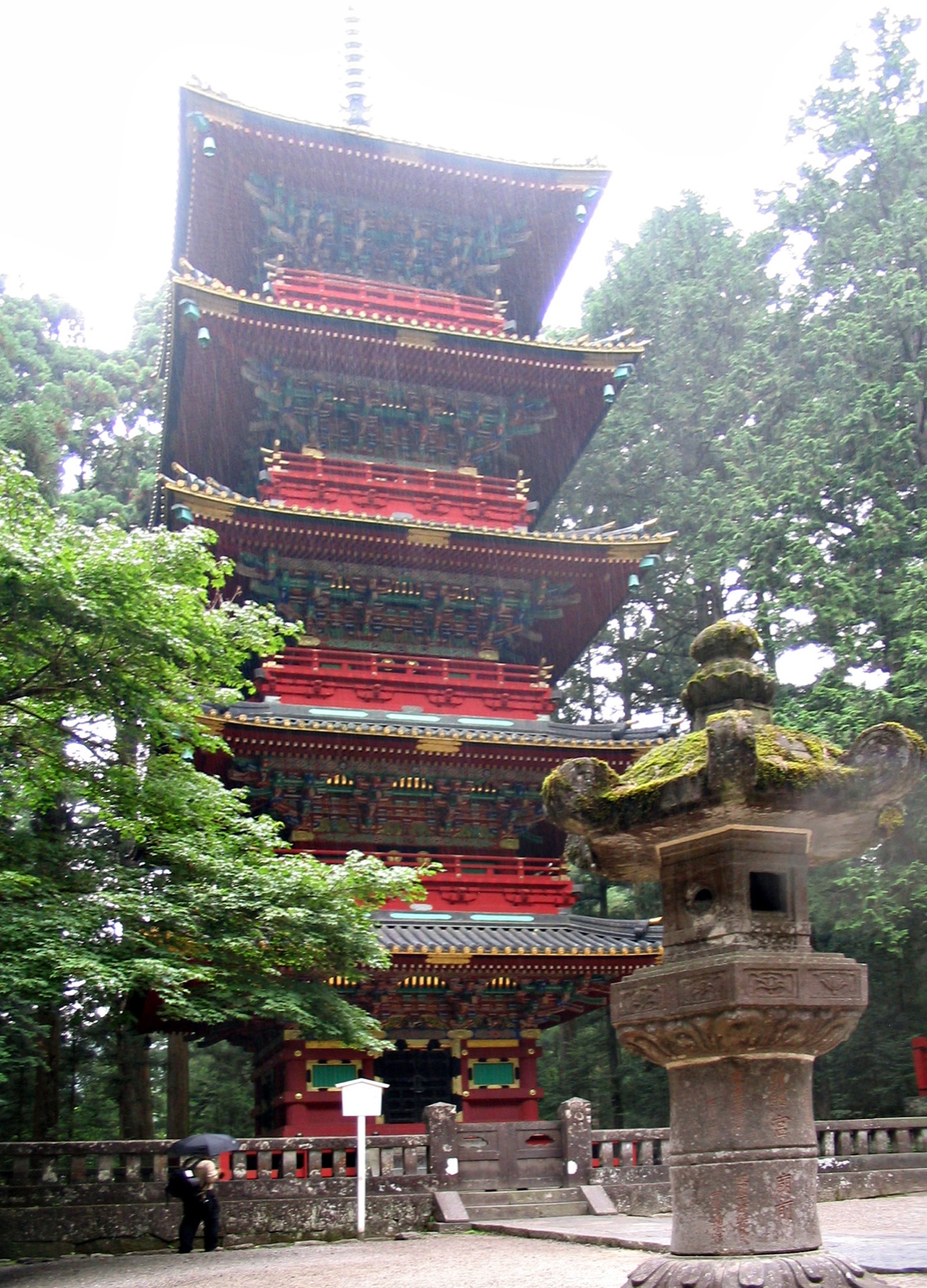
Yes — Nikko holds Japan's most lavishly decorated shrine complex, the mausoleum of shogun Tokugawa Ieyasu, set in an ancient cedar forest two hours from Tokyo. It offers a completely different atmosphere from the city: mountain air, moss, gold leaf and carving instead of neon. It is the strongest history-focused day trip in the Kanto region.
02How do you get to Nikko?
| Option | From | Time | Cost | Best for |
|---|---|---|---|---|
| Tobu limited express (SPACIA X / Kegon) | Asakusa | ~1 h 50 min direct | Pass + express supplement | Comfort, speed |
| Tobu local/rapid with Nikko Pass | Asakusa | ~2 h 30 min | Covered by ¥3,000 pass | Budget |
| JR Tohoku Shinkansen + JR Nikko line | Tokyo/Ueno | ~1 h 50 min (change at Utsunomiya) | ~¥5,700 each way | JR Pass holders |
Which pass?
The Nikko Pass World Heritage Area (¥3,000 adult, 2 days) covers the Asakusa round trip and buses in the shrine area — right for a day trip. The All Area version (~¥8,000, 4 days) adds Lake Chuzenji, Kegon Falls and Yumoto Onsen buses — right for an overnight or a lake-focused day. Express-train seats cost a supplement either way; book them ahead on weekends.
03A one-day Nikko route
- 7:30 — Asakusa → Tobu-Nikko. Earliest reasonable express; arrive ~9:30.
- 9:45 — Shinkyo Bridge. The sacred vermilion bridge at the entrance to the shrine district — a 2-minute photo stop from the bus.
- 10:00 — Toshogu Shrine (2 hours). Entry ~¥1,600. Don't miss the Yomeimon "Sunset Gate," the sleeping cat carving, the three wise monkeys stable, and the 200-step climb to Ieyasu's surprisingly austere tomb.
- 12:30 — Lunch near the shrines. Try yuba (tofu skin), Nikko's specialty.
- 13:30 — Rinnoji temple and Futarasan shrine (1 hour). Quieter neighbors on the same forest avenue.
- 15:00 — Option A: Kanmangafuchi Abyss. A riverside path lined with 70 stone Jizo statues; Nikko's most atmospheric easy walk.
Option B (early starters with All Area pass): bus up the hairpin Irohazaka road to Lake Chuzenji and the 97-meter Kegon Falls (elevator to the base ~¥570). Allow 3 extra hours.
- 17:00 — Train back; Asakusa by ~19:00.
04Should you stay overnight?
A night in Nikko or at a Lake Chuzenji / Yumoto Onsen ryokan turns a rushed loop into a relaxed one and gives you the shrines at 8:00 before the buses arrive. ->
Prefer zero planning? Guided Nikko day tours from Tokyo include transport and entry.
05Nikko FAQ
Is one day enough for Nikko?
One day comfortably covers the World Heritage shrine district — Toshogu, Rinnoji, Futarasan and the Shinkyo Bridge. Seeing Lake Chuzenji and Kegon Falls as well requires a pre-8:00 start or an overnight stay.
Is the Nikko Pass worth it?
For a day trip from Asakusa, yes: the ¥3,000 World Heritage Area pass roughly matches the normal round-trip fare alone and adds unlimited shrine-area buses. Upgrade to the All Area pass only if you will reach Lake Chuzenji or Yumoto Onsen.
How much does Toshogu Shrine cost?
Around ¥1,600 for adults for the main complex; the treasure museum costs extra. Rinnoji and Futarasan charge smaller separate fees, so budget ¥2,500–3,000 total for the full shrine district.
Nikko or Hakone — which day trip is better?
Choose Nikko for shrines, history and forest scenery; choose Hakone for variety — art museums, a volcanic valley, Lake Ashi and onsen — plus possible Mt Fuji views. History-lovers pick Nikko; first-timers wanting a bit of everything pick Hakone.
Can you use a JR Pass to Nikko?
Yes — Shinkansen to Utsunomiya plus the JR Nikko line is fully covered and takes about 1 h 50 min. Note that JR Nikko station is beside Tobu-Nikko, but the local World Heritage buses are Tobu-run and cost extra without a Tobu pass.
When is the best time to visit Nikko?
Mid-October to early November for foliage (crowded), April–May for fresh green and mild weather, and January–February for silent, snow-dusted shrines. Avoid summer weekends when Irohazaka traffic peaks.